

To clean wood furniture, dust it often with a soft cloth that is barely damp, wiping with the grain, and dry it right away with a second cloth. For sticky spots, use a very mild soap solution on a cloth that is damp, not wet, and test it in a hidden spot first. Skip silicone sprays and "feeding" oils. Museum guides say wood doesn't need them.
Key takeaways
- Most wood care is dusting. A slightly damp soft cloth, followed by a dry one, is what conservation guides recommend for a finish in good shape.
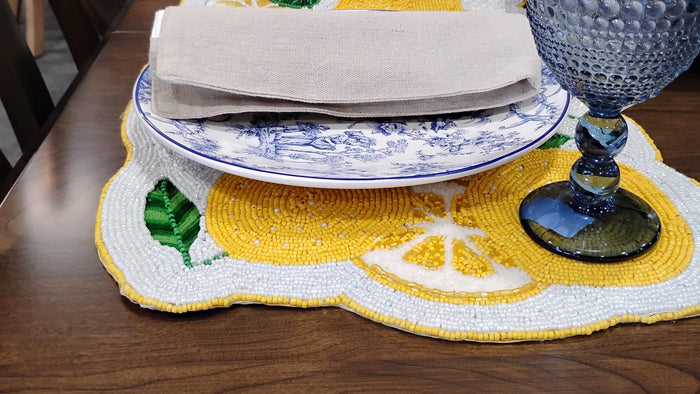
- Water hurts a finish when it sits. Wipe spills right away and use coasters, placemats and trivets.
- Spray polishes, lemon oil and silicone products can leave a sticky build-up. A thin coat of clear paste wax, about once a year at most, is the museum approach.
- Steady humidity and no direct sun do more for wood than any product.
- Know your finish before you clean. On our own site, about half of the product pages list a stain color, 69 list paint and 7 list a hand-rubbed oil finish.
How can I clean wood furniture?
Start with the gentlest method and stop as soon as the surface is clean. That is the rule museum conservators follow, and it works at home too.
1. Check the finish first
The Canadian Conservation Institute (CCI) says that before you clean a coated wood surface, you need to know what kind of coating it is and whether it is stable. If the finish is flaking, cracking or lifting, the National Park Service says not to dust it at all. Ask a professional instead.
2. Dust with a soft cloth
The National Park Service notes that hard, sharp dust particles can scratch a finish, and that dust attracts moisture from the air. Turn the cloth often so you always wipe with a clean side, and wipe with the grain. Microfiber cloths trap dust well and leave no lint. For carvings and corners, use a vacuum with a soft brush attachment on a low setting.
3. Damp-wipe, then dry
The CCI calls regular dusting with a slightly dampened cloth "one of the best ways to clean wood," followed by buffing with a dry, soft cloth. Wring the cloth until it is barely damp, then go over the surface with a dry cloth so no moisture is left behind. Never wet-clean unfinished wood, such as the inside of a drawer.
4. For sticky spots, use a very mild soap solution
The conservation staff at The Henry Ford recommend a very dilute detergent, about 1 percent in water, on a soft cloth that is damp, not dripping. Wipe again with a cloth dampened in clean water, then blot dry. Test first on a hidden spot, such as the back of a leg, and check that the finish doesn't turn white or rub off.
5. Buff
Finish with a clean, dry cotton cloth. For a finish in good condition, the CCI says cleaning "can often be as simple as damp dusting followed by buffing, complemented with careful, infrequent waxing."
| Job | Use | Skip |
|---|---|---|
| Everyday dusting | Soft cotton or microfiber cloth, barely damp, then a dry cloth | One dusty cloth pushed around the whole room |
| Carvings and corners | Vacuum with a soft brush attachment on low | Cloths that snag and push dust into cracks |
| Sticky spots | Very mild soap solution on a damp cloth, then clean water, then dry | A wet sponge or spray left to sit |
| Shine | A thin coat of clear paste wax, about once a year at most | Spray polish, lemon oil, silicone products |
| Metal pulls and knobs | Buff with a clean, dry cotton cloth | Metal polish next to the wood |

What should you not use on wood furniture?
Most of the damage people do to wood furniture comes from products that promise to help it.
- "Feeding" oils. The CCI says wood does not need to be "fed," and History Nebraska's Ford Conservation Center calls that idea untrue. The CCI adds that no amount of oil will keep wood from drying out if the air is too dry.
- Spray polish, lemon oil and silicone. History Nebraska warns that a popular spray polish and lemon oil cause gummy build-up over time, and that silicone products are nearly impossible to remove and can get in the way of refinishing later. The Henry Ford adds that many popular formulas contain tung oil or silicone, which can darken or turn cloudy with age.
- Too much water. A barely damp cloth is fine on a sound finish. Water left standing is not. The CCI notes that water spills cause cloudy white patches.
- Metal polish near the wood. The CCI suggests taking hardware off before polishing it, because abrasives or ammonia in metal cleaners can damage the wood and finish around it.
Should you polish or wax wood furniture?
If your finish looks good, dusting and buffing may be all it needs. When you want more shine or protection, museums use a thin coat of clear paste wax, not liquid furniture polish.
- Test first on a hidden spot, as History Nebraska advises.
- Use a little. The CCI says to apply it thinly with a soft, lint-free cloth, let it dry to a matte look, then buff it well.
- Don't repeat it often. History Nebraska says no more than once a year, and The Henry Ford says once a year or so. If the surface looks dull in between, buff it instead of adding more wax.
Buffed paste wax helps keep dust and moisture off the finish. Keep it away from metal fittings and out of cracks, where it builds up.
How do you get water rings out of wood?
Look at the color first. Finishing expert Bob Flexner, writing in Popular Woodworking, explains that white or cloudy marks are moisture trapped in the finish and are the easier kind to fix. Dark marks mean water got into the wood itself. Fixing those usually means stripping the finish, so it is a job for a refinisher.
Flexner notes that white rings rarely form on newly applied film finishes; they show up on finishes that have aged. They are easier to remove when the mark is fresh and shallow. Start with the least risky step: rub petroleum jelly onto the mark and leave it overnight. This often restores some clarity, though seldom all of it. Gentle warmth can also help, but he warns that a finish heated past comfortable-to-touch can blister. If those steps don't work, stop. Stronger fixes use solvents and abrasives that can damage the finish.
Heat marks from a hot dish look similar, but Flexner says they are usually very hard to remove. A trivet is much easier than a repair.
How do humidity, heat and sunlight affect wood furniture?
Humidity
The CCI explains that wood swells a little as humidity rises and shrinks as it falls, and that these changes can crack the wood and damage the finish. The Henry Ford adds that shrinking in dry air can open gaps in joints. For museum pieces, it recommends 55 to 65 percent relative humidity in summer and 35 to 45 percent in winter, changing by no more than 5 percent a day. You don't need museum precision at home. Avoid extremes and fast swings; a simple humidity gauge shows you when a heated winter room has turned very dry.
Heat
Keep pieces away from fireplaces, radiators and heat vents. Attics, basements and garages are poor places to store furniture, the CCI says, because conditions there swing too much. That includes extra table leaves: keep them in the living space. Some of our tables take several, like the Brantley Leg Table, which is available with up to four 12" leaves.
Sunlight
According to the CCI, light damage builds up over time and can't be undone. Light can darken light woods, bleach dark woods and leave a finish cloudy or brittle. Blinds and curtains help. Some change is natural, too: our wood guide notes that walnut darkens and deepens over time.

How do you protect a wood table every day?
- Coasters and placemats. The CCI recommends coasters and says not to set potted plants on wood furniture. If you use a glass top, put small felt pads under it so the glass doesn't stick to the finish.
- Trivets for anything hot, and wipe spills right away.
- Lift, don't drag. The CCI says to lift a table by its apron or legs, not the top, and a chair by the seat. Empty drawers before you move a case piece.
The wood matters, too. Our wood guide explains that the higher a wood's Janka hardness rating, the better it resists dings and scratches. Of the woods in that guide, hickory rates highest and quarter-sawn white oak is second, while brown maple and cherry are softer. A worn solid top can also be sanded and refinished, which our guide to solid wood vs veneer vs MDF explains.
Do oil and painted finishes need different care?
Oil finishes. Flexner points out that oil finishes are thin, so dark water marks form easily. Coasters and quick wiping matter even more here. The CCI says oil-finished surfaces should get only gentle cleaning, and warns that adding linseed oil to pieces not originally finished with it has darkened many old pieces. If you own an oiled piece, such as our Lynnwood High Dresser, ask us what the maker recommends before you add any product.
Painted finishes. Paint forms a film that can crack as wood moves. The CCI suggests dusting with a soft cotton cloth or a soft brush and vacuum, and notes that many painted surfaces are sensitive to water. Damp-wipe only after testing a hidden spot.
Stained finishes follow the routine at the top of this guide. Our guide to Amish stain colors shows how the colors look.
Pieces mentioned in this guide
 Brantley Leg Table
 Lynnwood High Dresser
 Lynnwood 2 Drw Nightstand
 6' Rectangular Picnic Table
Care is what lets good furniture get passed down. Our guide to heirloom furniture covers what makes a piece last, and you can browse our dining tables to compare woods. Outdoor poly is a different material with simpler care: the page for our 6' Rectangular Picnic Table says it is easy to clean and can be left outside all year long.
Frequently asked questions
How often should you dust wood furniture?
Regularly. Conservation guides don't set a schedule, but hard dust particles can scratch a finish and dust attracts moisture. Dust whenever you see it, and always before you wax.
Is it OK to use water on wood furniture?
Yes, in small amounts on a sound finish. Use a cloth that is barely damp, then dry the surface right away. Test a hidden spot first, and never wet-clean unfinished wood.
Does wood furniture need to be oiled?
No. The Canadian Conservation Institute and History Nebraska both say wood does not need to be "fed" with oil. A steady indoor climate protects it better.
How often should you wax wood furniture?
No more than about once a year, according to History Nebraska and The Henry Ford. Between waxings, just dust and buff.
What humidity is best for wood furniture?
Steady matters more than exact. For museum pieces, The Henry Ford recommends 55 to 65 percent relative humidity in summer and 35 to 45 percent in winter, changing slowly.
Sources
- Canadian Conservation Institute (Government of Canada), "Basic care: Furniture and objects made of wood," canada.ca
- Canadian Conservation Institute, "CCI Notes 7/2: Care of Furniture Finishes," canada.ca
- National Park Service: Conserve O Gram 7/5, Dusting Wood Objects
- The Henry Ford: The Care and Preservation of Furniture and Wooden Objects
- History Nebraska, Ford Conservation Center: Caring for Wooden Furniture
- Popular Woodworking: How to Remove Watermarks, by Bob Flexner
- Our wood guide and product pages on kingsamishfurniture.com (as listed in November 2026)
How we made this guide: we rebuilt our older furniture care article around museum and government conservation guides, kept the advice that still holds up and dropped anything we couldn't confirm. Catalog numbers come from a check of every live product page on our site in November 2026.
See it in person
Visit our showrooms in Intercourse and Lancaster, PA, and Murrells Inlet, SC. Open Monday to Friday 10 to 5, Saturday 9 to 5.